
Bad CRM data is not a technology problem. It is a people problem that technology made worse. Your reps hate manual entry. They always have. When you give them a clunky system and demand they fill it out, they log just enough to stay out of trouble — and the rest of your pipeline quietly rots.
The result shows up in your dashboard. Numbers that look plausible but do not match reality. Deals marked "active" that nobody has touched in three weeks. Lead sources that show zero attribution because someone forgot to fill in the field. A VP of Sales making forecast calls based on data that is, at best, a month stale.
This is the CRM data quality problem. And it is costing you deals you never even knew you lost.
What Is CRM Data Quality, and Why Does It Break?
CRM data quality refers to the accuracy, completeness, and timeliness of the information stored in your sales system. High-quality CRM data means every lead is correctly attributed, every deal stage reflects reality, and every activity log is current. Low-quality CRM data means your pipeline is a work of fiction.
Most CRM data degrades for three reasons.
The first is manual entry dependency. Any data that requires a human to type it in will eventually be wrong, incomplete, or simply missing. Sales reps are paid to sell, not to administrate. When the system asks them to do both, the selling wins and the data suffers.
The second is capture lag. Most CRMs only know what happened after the fact. A lead comes in, someone notices it, someone logs it. By the time it appears in your dashboard, it is already hours or days old — and in fast-moving pipelines, that delay is the difference between a warm conversation and a lost deal.
The third is no feedback loop. Most sales teams have no mechanism to flag stale or inaccurate records. The bad data just sits there, compounding, until someone stumbles into an embarrassing forecast call or sends a follow-up to a customer who closed six months ago.
The Three Sales Metrics Your Dashboard Is Probably Getting Wrong
Most sales dashboards are built around lagging indicators. They tell you what happened. They are, by design, backward-looking. If you want to get ahead of your pipeline instead of reporting on its wreckage, you need to focus on three things most dashboards either miss entirely or measure inaccurately.
**Sales pipeline velocity.** Pipeline velocity measures how fast deals move through your funnel from first contact to close. The formula is straightforward: multiply the number of deals by your average deal value and win rate, then divide by the average number of days to close. What it tells you is how much revenue your pipeline is generating per day. Most CRMs report this number based on whatever reps have entered — which means if stage progression dates are missing or wrong, your velocity metric is fiction. LeadMachine tracks pipeline movement automatically, so velocity reflects what is actually happening, not what someone remembered to log.
**True lead source ROI.** Most sales dashboards show you where leads came from. Almost none of them show you which sources actually close. A channel that generates fifty leads per month at low cost looks great until you realize those leads close at 4% and eat your reps' time. The leads that close at 30% came from somewhere else entirely and nobody noticed because the dashboard only showed volume. You need attribution tied to close rates, not just contact counts.
**Pipeline stall rate.** What percentage of your active deals have had no touchpoint in the last 48 hours? If you do not know this number, you do not actually know the health of your pipeline. Stalled deals do not announce themselves. They just go quiet, and by the time you notice, the prospect has already signed with someone else. This is the number that keeps good sales managers up at night — and it is the one most ERPs and legacy CRMs completely ignore.
Why ERP Sales Dashboards Make the Data Problem Worse
ERPs were not built for sales velocity. They were built for operations, inventory, finance, and compliance. The sales module in most ERP systems is a bolt-on — a concession to the fact that finance needed to see revenue data in the same place as everything else.
The result is a dashboard that looks authoritative and is frequently wrong. ERP data tends to reflect what was entered, approved, and posted — not what is happening in the pipeline right now. By the time a deal works its way through the ERP's data model, the opportunity it represents is already weeks old.
If your sales team is living in an ERP dashboard, they are flying with delayed instruments. They might be reading the data correctly and still making the wrong call because the data itself is stale.
How LeadMachine Fixes CRM Data Quality at the Source
The only sustainable fix for CRM data quality is to remove manual entry from the equation wherever possible.
LeadMachine captures leads automatically from your website, Shopify store, Facebook Lead Ads, and other sources. The moment a lead comes in, it is enriched with company size, industry, location, verified contact info, and social profiles — without a rep touching a keyboard. The data is clean from the start because it was never dependent on a human to enter it correctly.
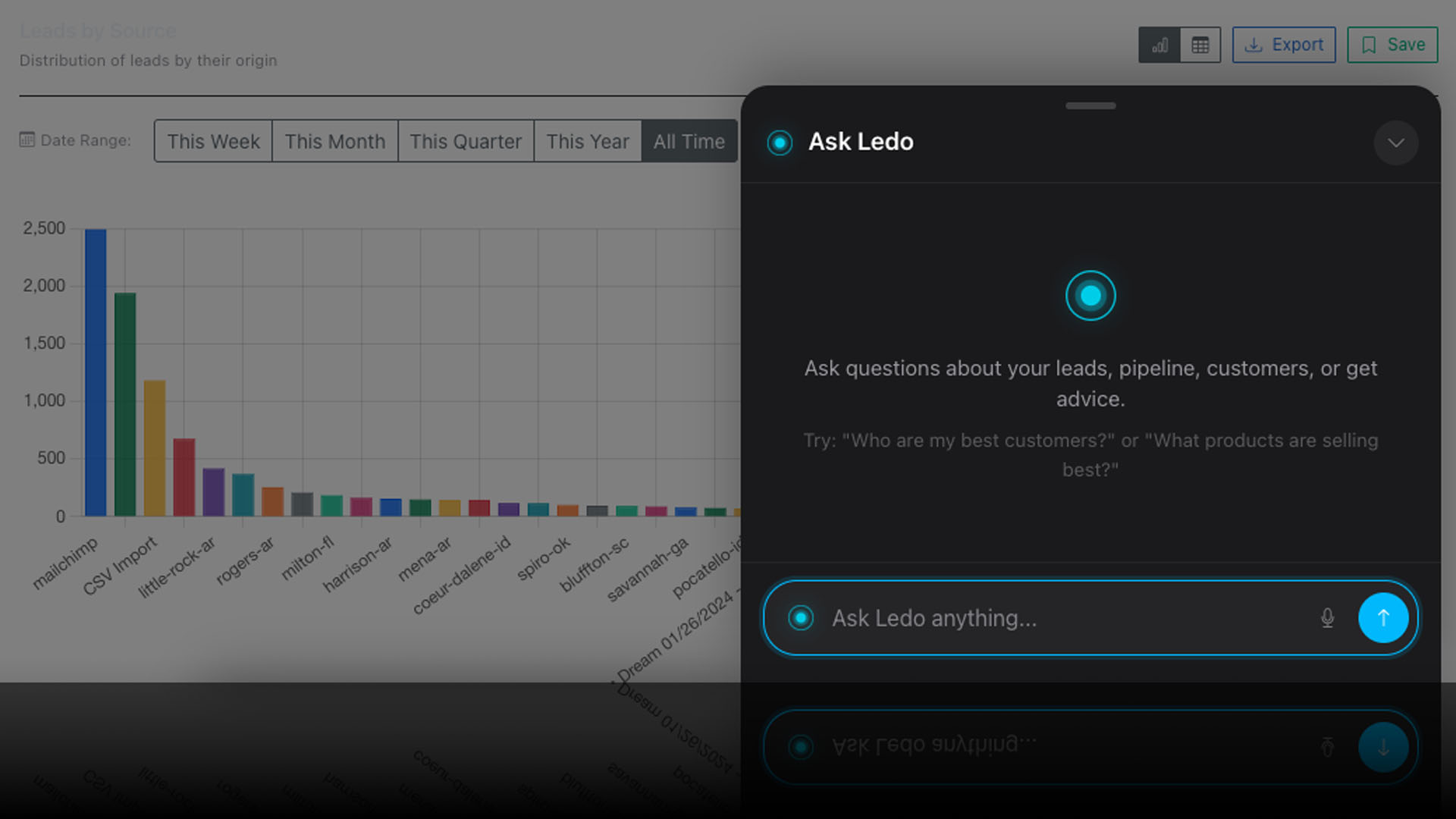
Ledo, LeadMachine's built-in AI assistant, monitors the pipeline in real time. He tracks which deals have gone quiet, surfaces the contacts who need attention before they go cold, and tells your team who to call and why — based on current, accurate pipeline data, not last week's manual update.
The practical effect is a dashboard that reflects reality. Not a colorful summary of past decisions, but a live view of where your pipeline actually stands and what needs to happen next.
This is what the Calm Operator philosophy means in practice. We do not show you more data. We show you accurate data, and we surface the one thing that matters most right now. A calmer operator makes better decisions. Better decisions close more deals.
What Good CRM Data Quality Actually Looks Like
Here is a simple benchmark. If your CRM data is in good shape, a sales manager should be able to open the pipeline, look at any active deal, and answer four questions without clicking anywhere else:
- When was the last touchpoint, and who made it
- What stage is this deal in, and how long has it been there?
- Where did this lead originally come from?
- What is the next scheduled action?
If those four questions require hunting through notes, checking email, or asking the rep directly, your CRM data quality needs work. LeadMachine is built so those answers are always current, always visible, and never dependent on someone remembering to update a field.
Frequently Asked Questions
What is CRM data quality?
CRM data quality refers to how accurate, complete, and current the information in your CRM system is. High-quality CRM data means your pipeline reflects what is actually happening in your sales process. Low-quality data means your forecasts, dashboards, and decisions are based on guesswork dressed up as numbers.
Why is CRM data usually inaccurate?
Most CRM data degrades because it depends on manual entry by sales reps. Reps prioritize selling over data hygiene, which is rational but leaves your pipeline records incomplete. Capture lag, missing attribution, and no feedback loop for flagging stale records compound the problem over time.
What is sales pipeline velocity and why does it matter?
Sales pipeline velocity measures how much revenue your pipeline generates per day, calculated by factoring in number of deals, deal value, win rate, and time to close. It is one of the most useful leading indicators in sales management — but only if your underlying CRM data is accurate.
How does LeadMachine improve CRM data quality?
LeadMachine captures and enriches leads automatically at the point of entry, removing manual data input from the equation. Ledo monitors the pipeline in real time, tracking deal activity and surfacing stalls before they become losses. The result is a CRM where the data reflects what is actually happening, not what someone last remembered to log.
Can LeadMachine replace my ERP's sales dashboard?
LeadMachine is a CRM, not an ERP. It does not handle finance, inventory, or operations. What it does is give your sales team a live, accurate view of the pipeline — leads, deal stages, activity history, and AI-guided next actions. If your ERP's sales dashboard is giving you stale or incomplete data, LeadMachine is the front-end layer that fixes the input problem at the source.
Professional Plan
$58 /user/month
Billed Monthly. No hidden fees.
Unlimited Leads. Unlimited Ledo.
Our Latest Posts
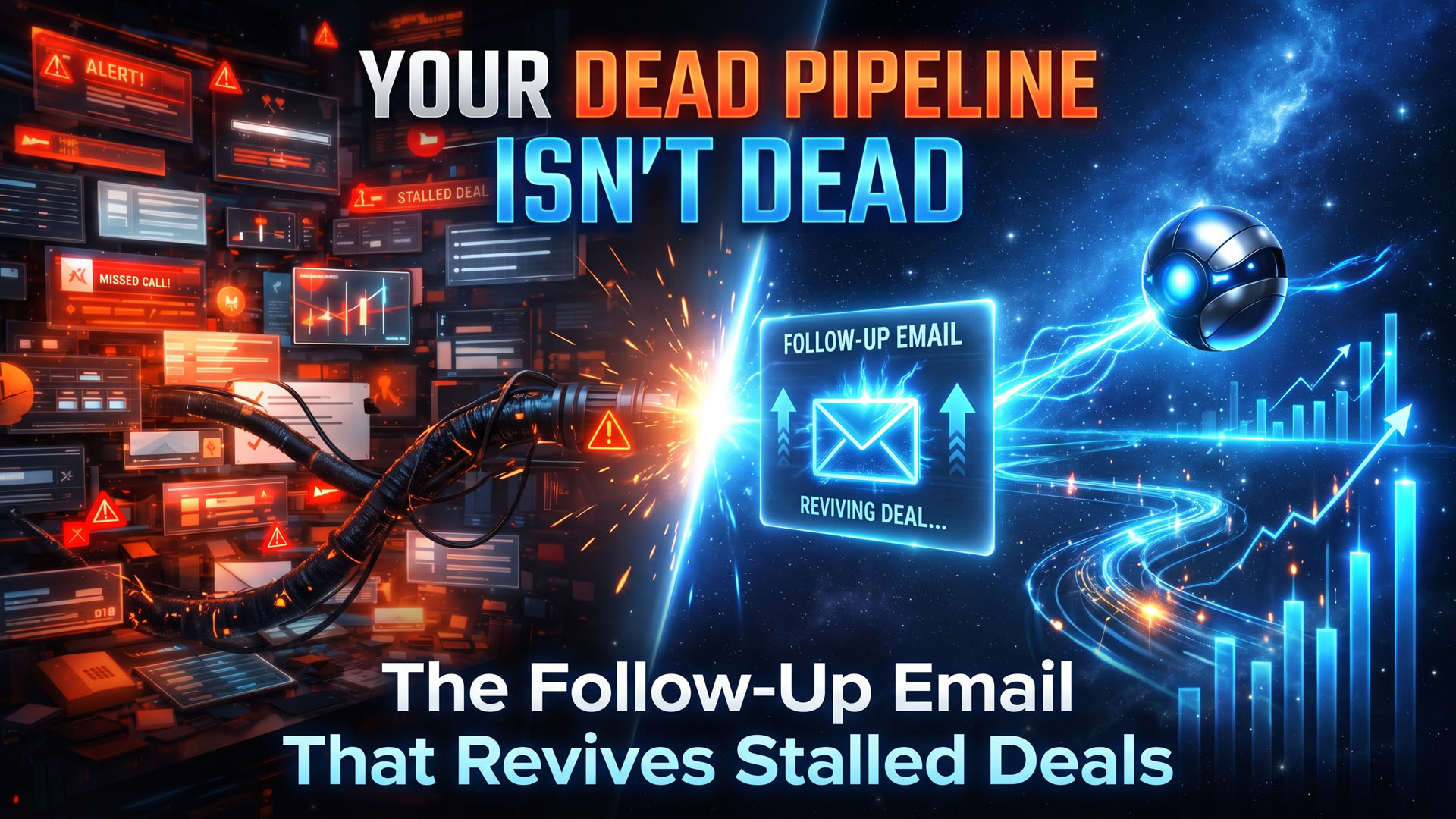
Your Dead Pipeline Isn’t Dead: How to Revive Stalled Deals Without Adding Noise
The fastest way to revive stalled deals is to stop treating them as lost and start treating them as interrupted. Most of the deals sitting quietly in your CRM never ended with a no. They ended with...
What Can Ledo Do For You?
Ledo is your AI business intelligence partner. Updated October 7, 2026. We first published this post in January 2026 and have rewritten it to reflect what Ledo does today. The Short Answer Ledo AI...

Gary Vee’s Marketing Formula Works. Your Follow-Up Is Why It Doesn’t.
Gary Vaynerchuk's marketing formula is simple. Make a strong video and target it well, get a large audience to watch it, then remarket to the people who watched with a clear call to action. It...